From 6 to 13 September 2026, I had the privilege of visiting
the Kingdom of Lesotho, a small, landlocked country completely surrounded by
South Africa in southern Africa, as a Biodiversity Expert working on the
project “Development of Natural Resources Management Policy for the Kingdom
of Lesotho.” Known as the “Mountain Kingdom,” Lesotho is renowned for its
dramatic highland landscapes, rugged mountains, valleys, and rich natural
heritage. What began as a professional assignment quickly became a memorable
journey of discovery one that allowed me to experience Lesotho’s remarkable
landscapes, biodiversity, culture, and warm hospitality while engaging with
professionals and communities connected to the country’s development.
Lesotho immediately impressed me with its extraordinary
natural beauty. The mountainous landscape surrounding Maseru, the capital city,
offers a striking combination of rugged hills, open valleys, and dramatic
scenery. As someone working professionally in biodiversity and natural resource
management, I found the landscape particularly inspiring. It reinforced for me
how closely environmental conservation, natural resources, local livelihoods,
and sustainable development are interconnected.
The major purpose of my visit was to participate in the
Inception Report Validation Workshop for the Natural Resources Management
Policy project. I was pleased to contribute to the successful completion of the
workshop and to engage with stakeholders on issues related to natural resource
management and biodiversity conservation in Lesotho. Such interactions are
essential for developing policies that are not only technically sound but also
responsive to the country's environmental and socioeconomic realities.
The visit also provided valuable opportunities for
professional networking. As a representative of EQMS Consulting Limited, I
participated in several business and professional meetings with local and
international stakeholders. Among these engagements was a meeting with Mr.
Lebajoa Tekane and his firm, Eco-Balance | Water, Environmental &
Sustainability Consulting, as well as discussions with Dr. Brian of the
National University of Lesotho (NUL) in Roma. These interactions opened
opportunities to exchange knowledge and explore potential areas of future
collaboration in environmental management, sustainability, biodiversity, and
natural resource conservation.
One of the things that made my experience in Lesotho
particularly pleasant was the warmth and friendliness of the Basotho people. I
found the people I encountered to be gentle, cheerful, welcoming, and genuinely
friendly. Their relaxed and joyful nature made it easy to feel comfortable,
even as a first-time visitor to the country. Whether during professional
interactions or everyday encounters, I was impressed by their hospitality and
positive attitude. This human connection added another memorable dimension to
my visit and made my time in Lesotho even more enjoyable.
Beyond the formal professional activities, another rewarding
aspect of my visit was experiencing the vibrant Bangladeshi community living in
Lesotho. I learned that around 250 Bangladeshis are currently living and
working there, including healthcare professionals, engineers, businesspeople,
and service holders. Many are accompanied by their families and have developed
a strong connection with the local community. I was particularly touched by the
hospitality of the Bangladeshi families I met. I had the opportunity to visit
several homes and enjoy traditional Bengali food thousands of kilometers away
from Bangladesh. These moments created a wonderful sense of familiarity and
reminded me that cultural connections can flourish even in distant parts of the
world. I was also impressed to see how the children of Bangladeshi families
have adapted to Lesotho's culture and environment, creating a fascinating blend
of Bangladeshi heritage and local identity.
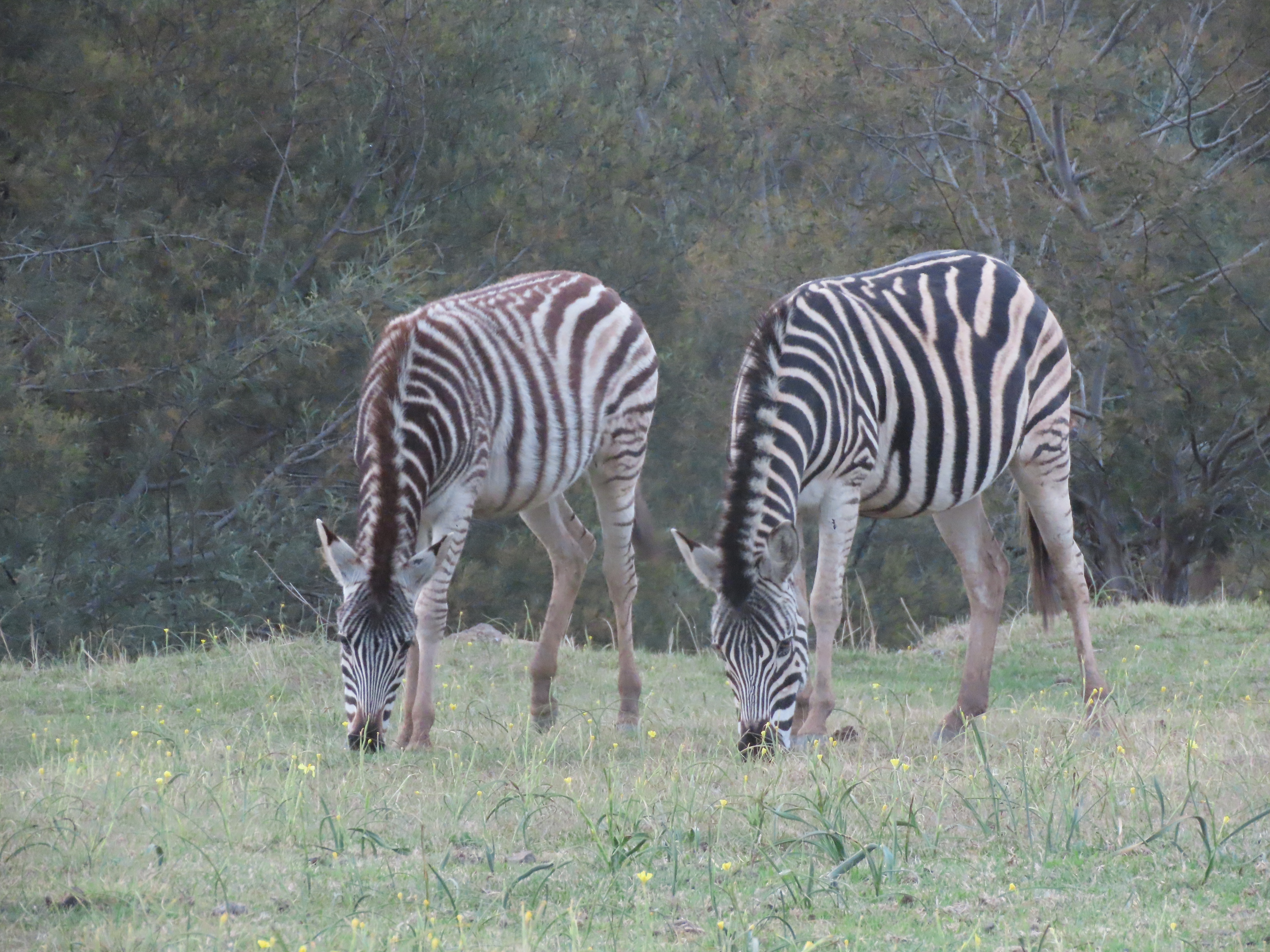
My visit also offered an exciting opportunity to observe
Lesotho's wildlife. During a visit to a park near Maseru, I was fortunate to
see a variety of species, Including Ostrich, Zebra, Black Wildebeest, Basotho Pony,
Tufted Guineafowl, Yellow Mongoose, Hadada Ibis, Southern Masked Weaver, and Mountain
Reedbuck. For me, one of the most memorable experiences was seeing an Ostrich
egg in its natural environment for the first time in my life. Experiences like
this bring biodiversity conservation to life in a way that no report or
technical document can fully replicate.
As a biodiversity professional, I consider myself privileged
to have experienced Lesotho's natural landscapes and wildlife firsthand. The
visit strengthened my appreciation of the country's environmental richness and
the importance of responsible natural resource management.
I return from Lesotho with valuable professional
experiences, new connections, wonderful memories, and an even stronger
commitment to contributing to sustainable environmental management. I look
forward to engaging further with different departments, institutions,
professionals, and stakeholders in Lesotho and supporting practical and
sustainable solutions for natural resource management, biodiversity
conservation, and environmental sustainability.
Lesotho was more than a professional destination for me, it
was an opportunity to learn, connect, observe, and appreciate the extraordinary
relationship between people, culture, and nature. I hope this journey will be
the beginning of many more opportunities to contribute to the sustainable
future of this beautiful mountain kingdom.
Share this page via
More from Dr. K. M. Mijanur Rahman